
Full article
Full article text extracted for easier reading in-app.
U.S. Mortgage Rates Hit Near One-Year High, MBA Applications Plunge 6.4%
Mortgage applications in the United States tumbled 6.4% for the week ending July 24, reversing the prior week's gain, according to the Mortgage Bankers Association. The decline was driven by the 30-year fixed mortgage rate climbing to 6.76%, its highest level in nearly a year. Refinance applications plummeted 9.9%, while purchase loan applications fell 3.6%. MBA Vice President and Deputy Chief Economist Joel Kan noted that persistently rising rates not only crushed refinancing demand but also intensified affordability challenges for homebuyers. The refinance share of total applications dropped to 39.5%, signaling a broad-based cooling in borrowing demand and casting a shadow over the U.S. summer housing market.
BigGo Finance · BigGo Finance
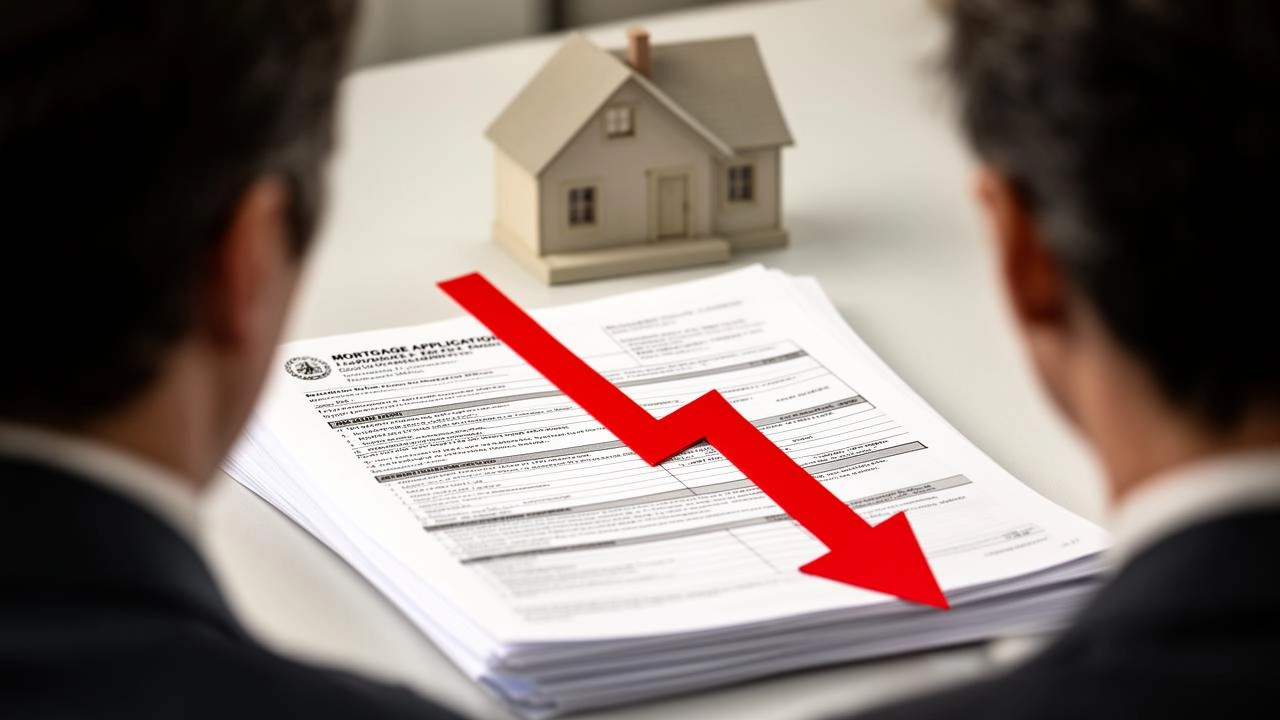
The U.S. mortgage market is facing headwinds as borrowing costs climb to near one-year highs, causing both refinancing and purchase demand to contract. According to the latest data, a key gauge of overall application activity fell sharply from the previous week, ending a brief rebound.
The Mortgage Bankers Association (MBA) reported that its Market Composite Index, which measures refinance and purchase demand, tumbled 6.4% to 247.2 for the week ending July 24. The decline completely erased the 1.9% gain recorded just one week earlier.
Rising Rates Crush Borrowing Appetite
The rapid increase in borrowing costs was the primary factor suppressing demand. The average contract interest rate for the most popular U.S. home loan, the 30-year fixed mortgage, climbed to 6.76% from 6.69% the prior week, reaching its highest level since last August. This rate applies to conforming loans with balances of $832,800 or less.
The 15-year fixed mortgage rate surged even more sharply, jumping to 6.15% from 6.04%, creating a significant barrier for borrowers hoping to save on interest by shortening their loan terms.
Joel Kan, MBA Vice President and Deputy Chief Economist, noted that the sustained rise in rates had a major impact on refinance borrowers. He pointed out that refinance applications dropped 10% in a single week, with government-backed refinancing programs experiencing an even steeper decline.
Purchase and Refinance Markets Cool Simultaneously
Both core business segments showed weakness. The Refinance Index plunged 9.9% to 723.1. With rates climbing, existing homeowners have little incentive to lower their monthly payments by refinancing, causing refinance activity to freeze rapidly.
The purchase market was not spared. The seasonally adjusted Purchase Index fell 3.6% (some market reports indicated a 4% drop) to 159.8. Kan added that while housing inventory has increased in some parts of the U.S., elevated rates have exacerbated affordability challenges for many potential buyers, suppressing purchase activity for the week.
As refinancing demand cooled faster than purchase loans, the refinance share of total applications declined significantly. The share dropped to 39.5% from 41.2% the prior week, indicating a structural shift back toward purchase borrowers, though the overall market size continues to shrink.
Market Background and Outlook
The MBA has conducted this weekly survey since 1990, covering over 75% of all U.S. retail residential mortgage applications. It is viewed as a key leading indicator of U.S. housing market conditions.
Recent fluctuations in U.S. Treasury yields, driven by resilient economic data and Federal Reserve policy expectations, have directly influenced mortgage rates tied to longer-duration yields. The rebound in rates to highs not seen since last summer has not only pushed potential homebuyers back to the sidelines but also eliminated incentives for homeowners who locked in low rates in recent years to move or take out additional loans, creating a vicious cycle of tightening housing market liquidity.
For investors, the sharp contraction in mortgage applications suggests that existing home sales data may face pressure in the coming months, potentially creating headwinds for homebuilder stocks and related home retail sectors. The market will closely monitor the trajectory of interest rates; if the 30-year fixed rate remains firmly above 6.7%, the U.S. housing market's performance during the traditional summer peak season may fall short of expectations.
Once added, BigGo Finance appears first in Google Search Top Stories, so you get the broadest, most up-to-the-minute, and most comprehensive global financial news first.